
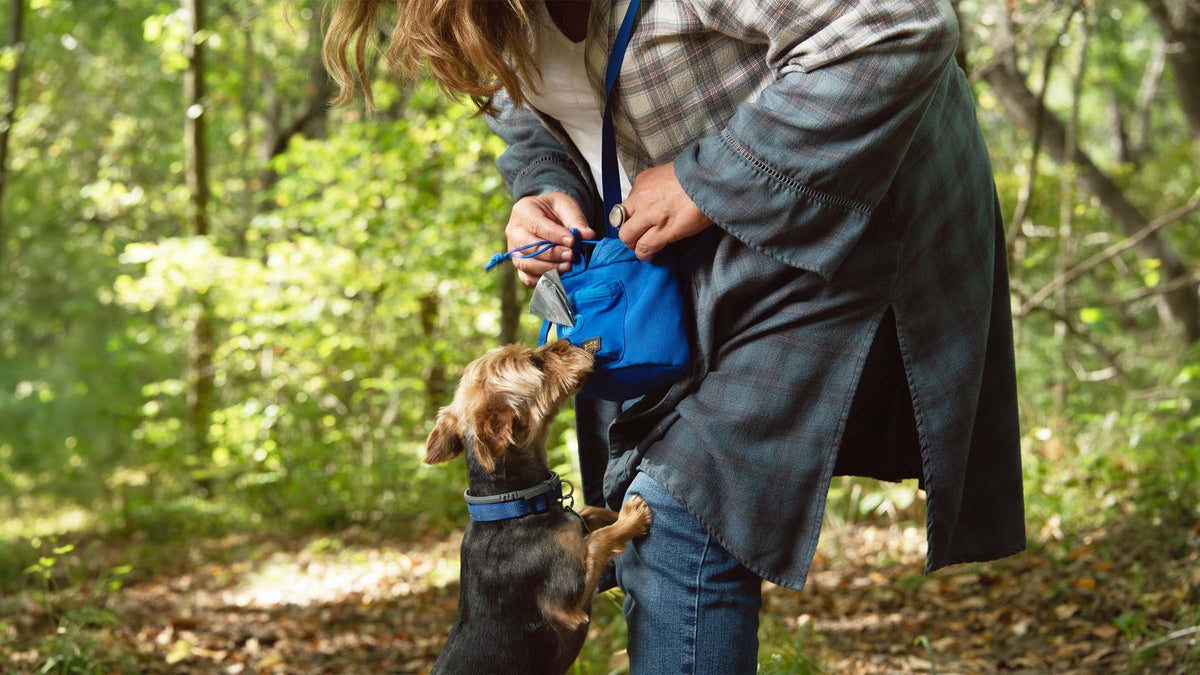
Back-to-school season isn’t just for kids. Fall is also a great time to refresh your dog’s training and bring a little more structure back to everyday routines.
Cooler weather can make walks and park outings more comfortable, but fall also brings a fresh wave of distractions. Leaves blow across sidewalks, squirrels and other backyard wildlife grab your dog’s attention, evening walking routes get busy, and holiday visitors may soon be arriving at the front door. Even familiar skills like sit, stay, wait, and recall can be worth revisiting when the environment around your dog starts to change.
The good news is that fall dog training doesn’t need to become a formal program. Short, positive practice sessions can fit naturally into walks, meals, playtime, and trips to the park. Here are some simple ways to turn everyday fall routines into opportunities to reinforce good habits.
1. Start With the Basics
Begin with behaviors your dog already knows, such as sit, stay, wait, and come. Familiar skills give you an easy starting point before adding more distractions. Look for opportunities to practice throughout the day. Ask for a sit before putting down a food bowl, practice stay while you step a short distance away, or call your dog to you from across the room and reward them when they respond.
There’s no need to practice everything at once. A few successful repetitions can fit more easily into a busy back-to-school routine than one long training session.
2. Keep Rewards Ready for Everyday Training
Once training moves outside, you’re competing with a much more interesting environment. A squirrel across the street, another dog approaching, or a pile of rustling leaves may suddenly become more exciting than you are.
Small treats can help you reward your dog when they respond to a cue or choose to focus on you despite those distractions.The Canine Canyon Buckley Dog Training Treat Bag keeps rewards close at hand while you’re on the move, so you can reinforce good behavior when it happens instead of searching through a pocket or backpack.
During a walk, try rewarding simple successes: your dog looking at you when you say their name, checking in with you without being prompted, sitting at a corner, or calmly moving past something interesting. Suddenly, your regular neighborhood loop becomes an easy opportunity to practice.
3. Practice Calm Doorway Manners
Training can start before you even leave the house. If the sight of a leash sends your dog racing toward the door, use that excitement as an opportunity to practice sit and wait. Ask your dog to pause while you attach the leash and open the door, then use your normal release cue when you’re ready to head outside.
You can reinforce the same behavior when returning home or getting in and out of the car.With the holiday season approaching, this is also a practical skill to revisit before guests begin arriving. Practicing calm doorway behavior can help reinforce the expectation that an opening door doesn’t automatically mean it’s time to rush through it.
4. Revisit “Leave It” for Fall Distractions
Fall can scatter plenty of tempting objects across your usual walking route. Acorns, sticks, food scraps, and piles of leaves can all capture a curious dog’s attention. That makes this a useful season to revisit leave it.
Start somewhere quiet with a safe object or treat. When your dog turns their attention away from it and back toward you, reward that choice. As the behavior becomes more consistent, gradually practice in environments with more distractions. The goal isn’t to prevent your dog from sniffing or exploring on walks. It’s to practice disengaging from something when you need them to.
5. Reward Calm Check-Ins Around People and Dogs
Neighborhood sidewalks and parks can become busy places. Other dogs, kids, runners, cyclists, and evening walkers all add distractions that you may not encounter while practicing at home. Instead of waiting until your dog becomes overly excited, look for opportunities to reward calm behavior early. If your dog notices another person or dog and then looks back at you, that voluntary check-in is a great moment to reward.
If focusing becomes difficult, create more distance from the distraction and try again. Training doesn’t have to happen right next to whatever is capturing your dog’s attention. Finding a distance where your dog can successfully respond can make practice more manageable.
6. Refresh Recall in a Secure Space
A reliable recall is another foundational skill worth revisiting regularly. Start in a secure, low-distraction area. Call your dog using your normal recall cue and reward them when they come to you. Once they’re responding consistently, gradually introduce additional distractions rather than making the exercise much harder all at once.
You can also make recall practice feel like a game. Move a short distance away, call your dog, reward them when they reach you, and repeat from another spot. Practice off-leash recall only in an appropriate securely enclosed area. During neighborhood walks and park outings, continue following posted leash rules even if your dog has a strong recall.
7. Take Familiar Skills Beyond the House
Dogs may respond beautifully to a cue in the living room and find the same request much harder at the park. Real-world distractions are part of what makes outdoor practice useful. A fall walk can provide plenty of natural training opportunities. Practice waiting before crossing a path, sitting while another walker passes, checking in when something catches your dog’s attention, or responding to familiar cues in a new environment.
Keep expectations realistic. If your dog is struggling to focus, make the exercise easier, increase your distance from the distraction, or take a break. Being prepared also makes these outings easier. The Canine Canyon Bailey Dog Waste Bag Dispenser keeps waste bags accessible when cleanup is needed, so you can take care of the practical side of a park or neighborhood walk while keeping your attention on your dog.
8. Bring Water for Longer Training Outings
Cooler fall temperatures can make it easy to forget about hydration, but your dog still needs access to fresh water during active walks and longer park outings.
The Canine Canyon Rufus Collapsible Wallet Travel Bowl gives your dog a dedicated way to drink while you’re away from home and packs down when it’s not in use, making it convenient to bring along on everyday adventures. Use water breaks as actual breaks, too. Give your dog a few minutes to drink, sniff, and reset rather than treating every minute outside as another training exercise.
Make Fall Your Dog’s Back-to-School Season
Changing routines and new seasonal distractions make fall a natural time to revisit the skills your dog already knows. You don’t need a new curriculum or a complicated training schedule. Start with the basics, keep practice positive, and gradually bring familiar behaviors into everyday situations outside the house.
A walk around the neighborhood, an afternoon at the park, or even a few minutes before heading out the front door can become an opportunity to reinforce good habits. Pack a few treats, waste bags, and fresh water, then head outside with your adventure buddy. With a little practice woven into the activities you already share, getting “back to school” can simply become another part of enjoying fall together.
Share:
What to Bring on a Walk in the Park With Your Dog
How to Keep Your Dog Safe and Calm This Halloween